

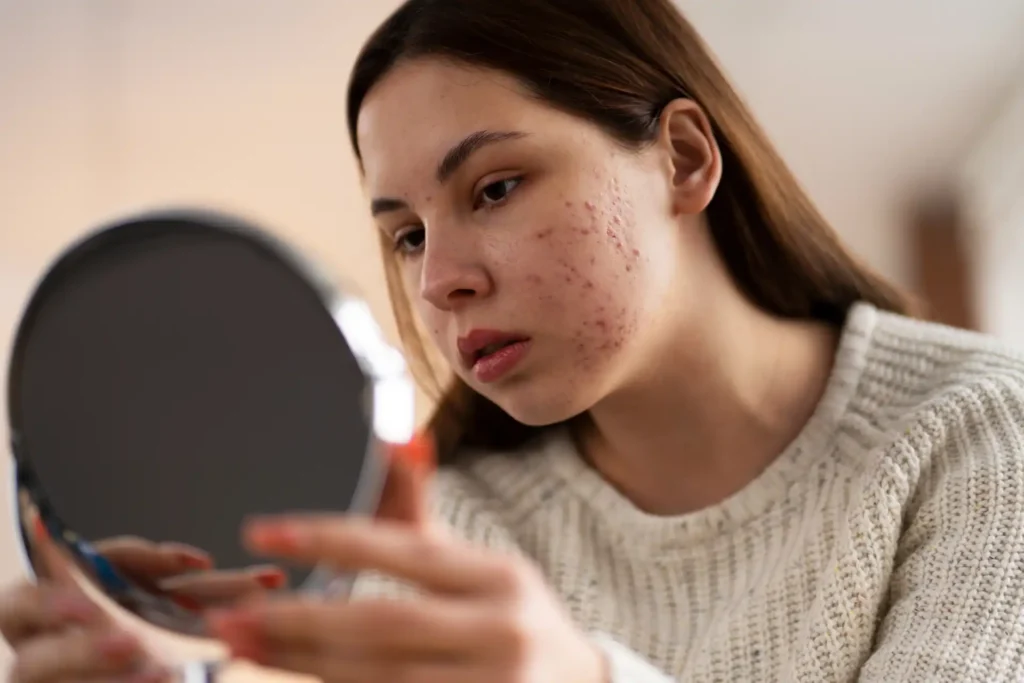
How to Treat Acne-Prone Skin
How to Treat Acne-Prone Skin: Tips for Clearer Skin
Acne is a common skin concern that affects people of all ages, but with the right approach, you can manage and reduce breakouts. In this article, we’ll explore effective strategies for treating acne-prone skin, including product recommendations, dietary tips, and professional treatments to help you achieve clearer skin.
Understanding Acne
Before diving into treatments, it’s essential to understand what causes acne. Acne occurs when hair follicles become clogged with oil (sebum) and dead skin cells, leading to the formation of pimples, blackheads, and whiteheads. Hormonal changes, stress, diet, and genetics can all play a role in the severity and frequency of breakouts.
1. Skincare Routine for Acne-Prone Skin
Establishing a consistent skincare routine is crucial for managing acne. Here’s a simple yet effective routine you can follow:
a. Cleansing
Use a gentle cleanser twice a day to remove excess oil, dirt, and makeup. Look for cleansers with ingredients like salicylic acid or benzoyl peroxide, which help unclog pores and reduce inflammation.
b. Exfoliation
Exfoliate 2-3 times a week with a chemical exfoliant containing alpha hydroxy acids (AHAs) or beta hydroxy acids (BHAs). These help remove dead skin cells that can clog pores.
c. Moisturizing
Even acne-prone skin needs hydration. Use a lightweight, oil-free moisturizer to keep your skin balanced without clogging pores.
d. Spot Treatment
Apply a spot treatment with benzoyl peroxide or salicylic acid directly on pimples to reduce size and redness.
e. Sun Protection
Sunscreen is essential, even for acne-prone skin. Opt for a non-comedogenic, oil-free sunscreen to protect your skin from UV damage.
2. Dietary Considerations
Diet can influence acne, so paying attention to what you eat is vital. Here are some dietary tips to consider:
a. Limit Dairy Intake
Some studies suggest that dairy products, especially skim milk, can contribute to acne due to the hormones they contain.
b. Reduce Sugar and High-Glycemic Foods
High-glycemic foods, like sugary snacks, white bread, and processed foods, can spike blood sugar levels, leading to increased sebum production and acne.
c. Increase Omega-3 Fatty Acids
Omega-3s, found in fish, flaxseeds, and walnuts, have anti-inflammatory properties that can help reduce acne.
d. Stay Hydrated
Drinking plenty of water helps keep your skin hydrated and flushes out toxins that could contribute to breakouts.
3. Professional Treatments for Acne
Sometimes, over-the-counter products and lifestyle changes aren’t enough to control acne. In these cases, professional treatments can offer more targeted solutions:
a. Chemical Peels
Chemical peels use acids to exfoliate the skin, unclog pores, and reduce acne scars. Glycolic acid and salicylic acid peels are popular choices for acne-prone skin.
b. Laser and Light Therapy
Laser treatments and blue light therapy target the bacteria that cause acne and reduce inflammation, leading to fewer breakouts.
c. Microneedling
Microneedling involves tiny needles creating micro-injuries in the skin to stimulate collagen production, which can improve acne scars and overall skin texture.
4. Lifestyle Tips for Clearer Skin
In addition to skincare and diet, making a few lifestyle changes can significantly impact your skin’s health:
a. Manage Stress
Stress can trigger acne flare-ups, so practice stress-reducing techniques like yoga, meditation, or deep breathing exercises.
b. Avoid Touching Your Face
Touching your face can transfer bacteria and oil from your hands to your skin, leading to more breakouts.
c. Keep Your Hair Clean
Hair products and oils can clog pores, especially if you have long hair that touches your face. Wash your hair regularly and keep it off your face as much as possible.
d. Change Pillowcases and Towels Frequently
Pillowcases and towels can harbor bacteria and oil, so change them regularly to avoid transferring these to your skin.
Conclusion
Treating acne-prone skin requires a holistic approach that combines a tailored skincare routine, mindful dietary choices, and, if necessary, professional treatments. By implementing these tips and being consistent with your skincare practices, you can achieve clearer, healthier skin over time. Remember, patience is key—acne treatments often take several weeks to show results, so stick with your routine and give your skin time to improve.